
Good morning! Today we’re trying something new — something I have told countless clients to do when they are struggling, but have I ever done it for myself? Of course not! That would be wild. So here I am, finally taking my own advice: just writing, first thing in the morning, for five minutes. It doesn’t matter what it’s about, as long as I am sitting here and typing something — so the constant looming of “getting started” is finally behind me.
To be completely transparent, I’ve had a couple of false starts along the way. Maybe this will be another one. But I’m hopeful this is the turn of a new leaf.
My goal for this space is threefold: a resource for important mental health information, a place for community — an online nest of sorts — and a place where we can face the daunting challenges of our day together.
Speaking of daunting challenges — let’s start with something worth knowing about.
Did you know that during times of cultural revolution, or resistance to an oppressive regime, there are five distinct roles a person can play?
The five roles
- The Protectors
- The Protestors
- The Upstanders
- The Bystanders
- Those Making Bad Choices and Bad Behavior
We tend to think the only way to participate in resistance is to be a protector or a protestor. The trouble with that thinking is this: if we can’t show up on those levels, we often don’t show up at all — and we quietly slide into group four. The Bystanders. Those who don’t like what’s happening, don’t agree with the bad actors, but also don’t help in any way. And so bad things keep happening, and nothing changes.
This is why group three — the Upstanders — matters so much.
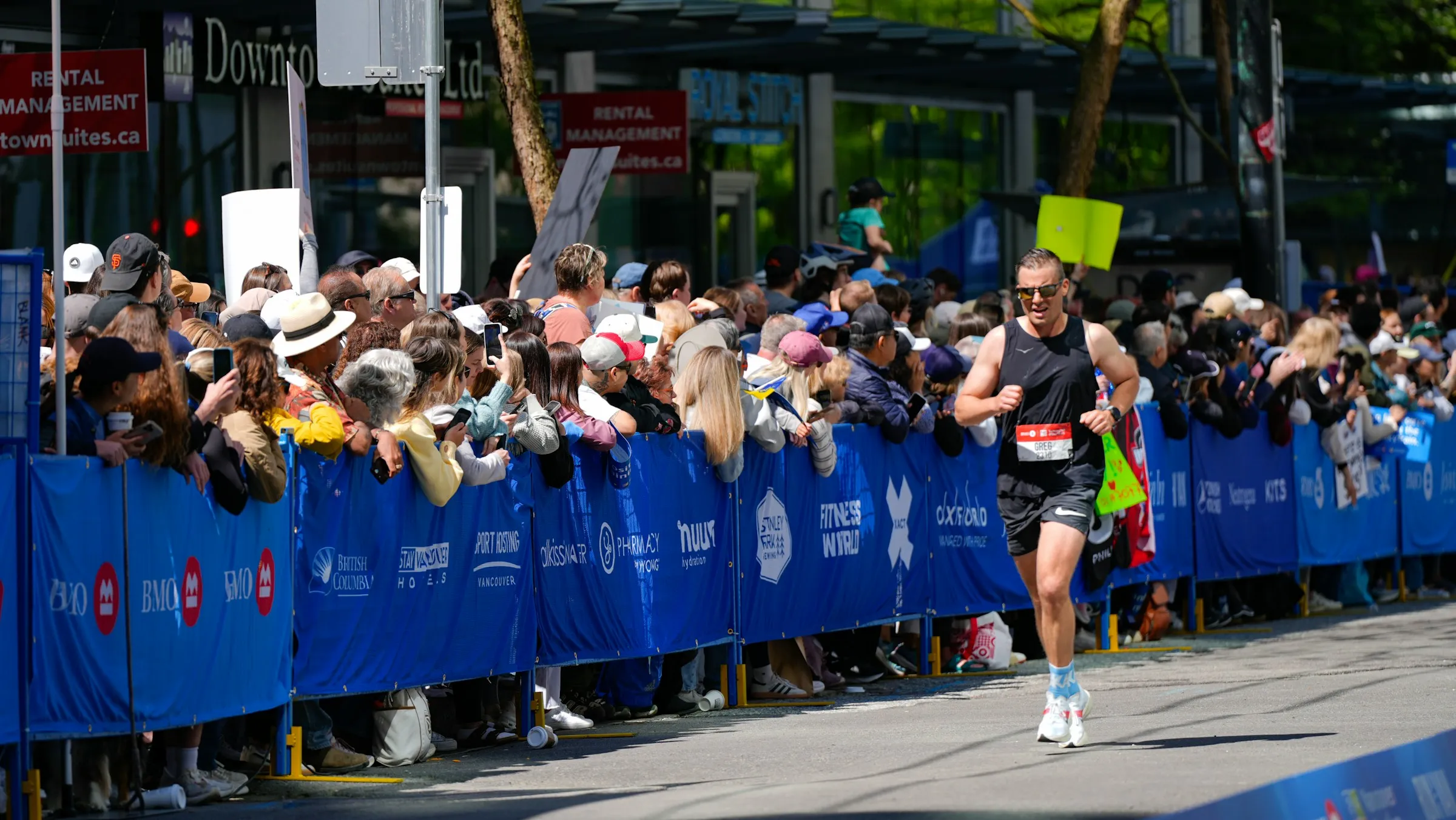
Imagine you’re in the crowd at the Boston Marathon. It’s a grueling test of endurance, and there are moments — countless moments — where a runner is ready to quit. Their confidence is gone. Their resolve is running out, literally. But then they see you. They hear the crowd cheering: “You can do this! Keep going!” And somehow, they dig deep and find what they need to make it to the finish line.
That is the Upstander. The one who encourages, supports, and cheers on those in the front lines — letting them know they are seen, and giving them the drive to persevere until we all collectively cross the finish line together.
That’s what I hope this space can be as well. Not only a resource for mental health information, but a resource for the mental health of the community at large. We are facing immense challenges. There are people in the trenches actively working to protect the vulnerable. And there are people who see what’s happening and want to help, but feel stuck — and don’t know how.
For the protectors and protestors who found their way here: may you leave encouraged, and motivated to keep going. For those who want to participate but feel hopeless because you can’t be on the front lines: I hope you come to see the deep value of becoming an Upstander.
What does being an Upstander actually look like? Take your pick:
Ways to be an upstander
- Put a sign in your yard
- Post a message of support on social media
- Donate to people and organizations
- Have honest conversations with family and friends
- Provide childcare for those going to protect or protest
- Contact your government representatives
- Vote!!!
If it keeps today’s issues visible and provides any kind of support — financial, logistical, emotional — then you are an active Upstander. So when the voices of all-or-nothing thinking start to creep back in, remember the role of The Upstander. Your voice, your support, your presence matters — all of it is vital.
Thanks for being here. I look forward to everything we’ll learn from each other along the way.
In solidarity,


Leave a Reply